

Buying
Your building is being redeveloped
A rezoning sign out front is a strange way to find out about your future. Usually there’s more time than it feels like, and a plan made early is a lot cheaper than one made in a hurry. Start by reading the demolition and relocation clauses in your lease.
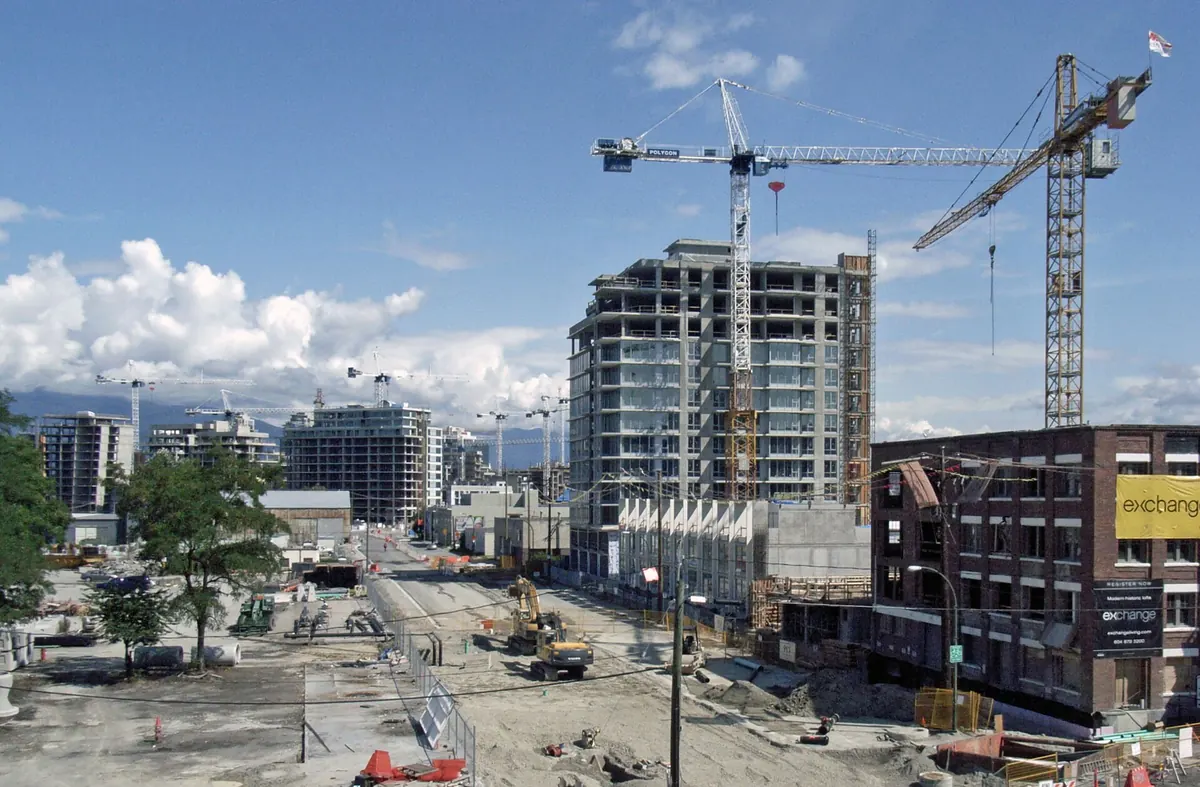

The problem
A rezoning sign or a demolition clause can put a time limit on your business. If you wait for the notice, you may have a few months to move, too little time to find space, build it out and keep customers.
What I do about it
I read your lease for demolition and relocation clauses, check the rezoning timeline, and plan with you early. Sometimes that means negotiating compensation, a longer notice period or a right to come back to the new building. Sometimes it means starting the search now, on your schedule.
What your landlord wants
A redeveloping landlord wants the building empty on time, without disputes that delay their project. Time and certainty matter a lot to them.
Where everybody wins
Trade certainty for help: you agree on a clear move date, and the landlord helps with notice, costs or a place in the new building. Both sides avoid a messy, late fight.
First, read two clauses
Most of what happens next depends on your lease. Look for a demolition or redevelopment clause, which lets the landlord end the lease early with notice, and a relocation clause, which lets them move you to other space.
Note the notice period, whether any compensation is set out, and whether the clause applies during a renewal term too. If you don’t have either clause, the landlord generally needs your agreement to end the lease early, and that changes the conversation a lot.
Then, check the timeline
Rezoning in Vancouver usually takes many months, and it’s public. You can look up the application on the City’s Shape Your City site, see where it’s at, and get a rough idea of when construction could start. Demolition can’t happen until permits are in place, so the notice you get is rarely the first step.
Your options
- Stay until the end. If the timeline is long, staying and planning a move for the right moment can be the cheapest path.
- Negotiate an early exit. If the landlord wants you out sooner than the lease allows, that has value. Moving costs, free rent at a new space, a waived restoration obligation or a lump sum are all fair to ask about.
- Move now, on your terms. Sometimes the best space comes up before the deadline. Taking it early beats taking whatever’s left later.
- Ask about coming back. Some new buildings include commercial space at grade. A right to lease in the new building is worth asking about, though rents will be different.
How I help
I read the clause with you (and with your lawyer if it gets formal), check the rezoning status, line up a few relocation options so you know what moving would really cost, and negotiate with the landlord or developer on the exit.
A developer is usually on a schedule, and a tenant who is organised and reasonable is easier to deal with than one who isn’t. That tends to show up in the terms.
If your lease has no demolition clause, the owner may offer to buy you out. See how a lease surrender is priced and what to put in writing.
Questions people ask
Can my landlord end my commercial lease for redevelopment in BC?
Only if the lease allows it, usually through a demolition or redevelopment clause with a set notice period, or if you agree. Read the clause and talk to a commercial lease lawyer about how it applies to you.
How much notice do I get for a demolition clause?
It depends on the lease. Notice periods of several months to a year are common, but the clause sets the actual number. Check whether the clause can be used during a renewal term too.
Do I get compensation if I have to move for redevelopment?
Only if the lease provides for it or you negotiate it. If the landlord wants you out earlier than the lease requires, there is often room to negotiate moving costs or other help.
What should I gather, ask and watch for?
Documents to gather
- Your lease: demolition, relocation and termination clauses
- Any notices from the landlord
- The City’s rezoning or development application, if public
- Your build-out costs and their remaining value
Questions to ask
- How much notice does the demolition clause require?
- Is there compensation or relocation help?
- Can I stay until construction actually starts?
- Will there be space for me in the new building, and on what terms?
Common mistakes
- Assuming you can stay until the lease ends
- Waiting for the notice before you plan
- Signing a termination agreement without a lawyer
- Not tracking the public development timeline
Typical timeline
- NowRead the two clauses; check the City’s application
- Typical rezoningOften a year or more before demolition
- After noticeNegotiate compensation and timing
- Before the dateFind and fit out the new space
Typical ranges. Your lease, lender and the City set the real dates.
Go deeper
If you’re looking for more details
What a demolition clause usually says
It lets the landlord end the lease early, with a set amount of notice, if the building is going to be demolished or substantially redeveloped. Some require proof, like a development permit application. Some give the tenant money toward moving.
Many give nothing. The wording decides it.
What you can do
- Read the clause and note the notice period.
- Ask the landlord about the timing and whether there’s a relocation offer.
- Start looking early, while you have time and leverage.
- Talk to a lawyer if the notice seems not to follow the clause.
Before you sign your next lease
If a building is old, low-rise and sits on land zoned for much more, a redevelopment clause is likely. Ask for a longer notice period, a period at the start of the term when it can’t be used, and some compensation for your improvements.
Search
Not quite your situation? Search
Next step
A rezoning sign is a reason to plan early.
Send me the address and the clause from your lease. I can tell you what the timeline looks like and what your options are.