

Selling
Selling industrial property
Industrial land is scarce in Metro Vancouver, and buyers know it. Clean environmental records and clear specs help you get full value. Have Phase I reports, permits, power and clear-height specs ready, and sort out any environmental questions before you list.

Seller representation
What selling industrial property involves
A plain explainer if you’re new to this.
- What it is
Selling a warehouse, shop or plant
Industrial buyers include owner-users looking for space and investors buying for income. Metro Vancouver has very little industrial land, so demand is usually steady.
- How buyers value it
Use, income and features
Owner-users look at ceiling height, loading, power and yard. Investors look at the leases and net income.
- Strata and zoning
Units or whole building
Many units are strata. Zoning controls what uses are allowed; check City of Vancouver zoning.
- What I prepare
Specs, leases and reports
I put together building specs, leases, operating costs and any environmental reports buyers will ask for.
General information, not tax or legal advice. Rules and rates change, and every situation is different. Talk to your lawyer and accountant before you act on anything here.
What buyers ask
Zoning, ceiling height, loading, power, yard and floor loads. Have the answers ready.
Environmental records
Buyers and lenders usually want a Phase I. If you have past reports, gather them. If something is known, it’s better dealt with up front.
Owner-users and investors
Many industrial buyers are businesses looking for a home. Reaching them takes direct outreach as well as listing.
Industrial property in detail
What drives value
- Clear height, loading (dock and grade doors), truck court depth and yard space.
- Power supply, sprinklers, floor load and office-to-warehouse ratio.
- Location near highways, the port and the border. Industrial land in Metro Vancouver is scarce, which keeps vacancy low and values high.
Typical lease structures
- Usually triple net: the tenant pays base rent plus property tax, insurance and maintenance.
- Terms of three to ten years, with fixed rent steps. Tenants often do their own improvements.
- Strata industrial units are common in the region, and owner-users compete with investors for them.
Due diligence
- Environmental history first. Ask for any Phase I or Phase II reports.
- In BC, a seller must give a buyer a Site Disclosure Statement if the land has been used for certain listed industrial or commercial uses, unless the buyer waives it in writing.
- Zoning for the actual use, including outdoor storage, and any building permits for mezzanines or racking.
- Leases, rent roll and operating cost statements.
BC and Vancouver specifics
- Property used for manufacturing, processing or transporting products is often assessed as Class 5, light industry; warehousing alone is usually Class 6. See BC Assessment property classes.
- In the City of Vancouver, industrial zones include I-1 to I-4, M-1 and M-2. Check the Vancouver zoning map.
Questions to ask
- What did the site used to be, and what reports exist?
- Does the zoning allow the use, including yard storage?
- What is the power service, and can it be increased?
GST. The sale of commercial property is generally subject to GST. If the buyer is registered for GST, the buyer usually self-assesses instead of paying it to the seller. See the CRA guidance on real property and GST/HST and talk to your accountant.
Marketing an industrial property
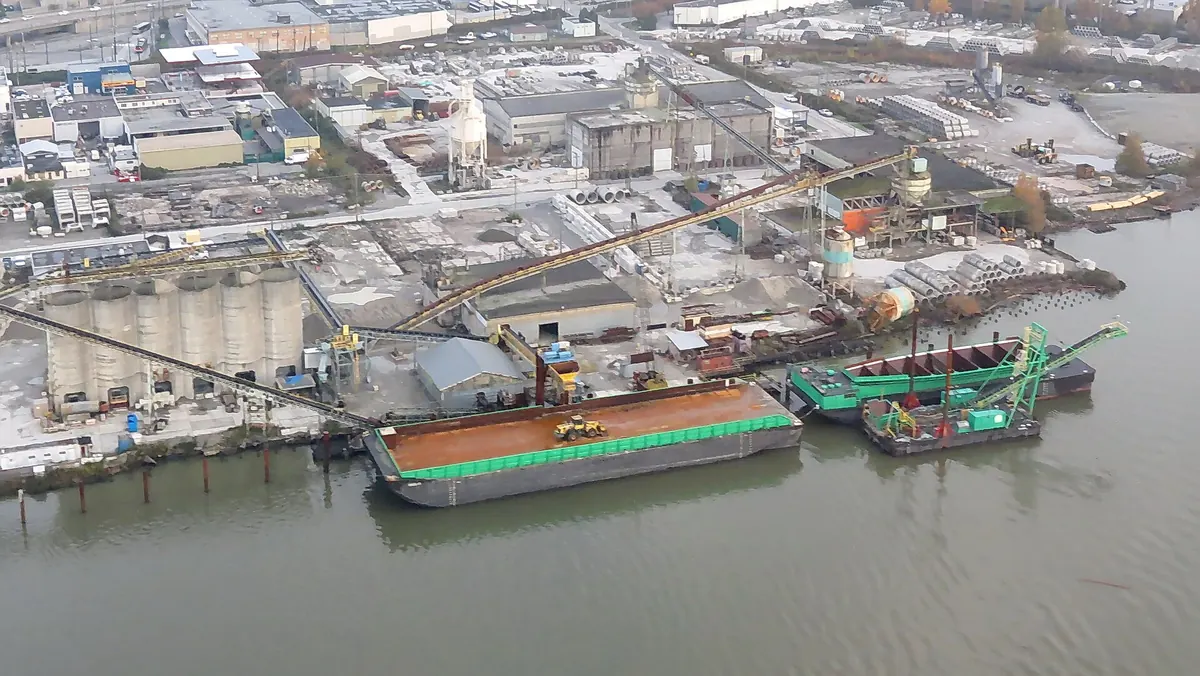
- Show the location: an aerial and a site map with highway, port, rail and airport access.
- Have the building data ready: area, clear height, doors, power, sprinklers, roof age and past common area costs.
- If the building has always had one tenant, decide before you list whether to market it that way or split it. Splitting changes the shared areas, charges and management.
Questions people ask
Do I need a Phase I before I sell?
Not always, but buyers will likely ask. Having past reports ready helps.
What should I gather, ask and watch for?
Documents to gather
- Title, property tax notices and assessment
- Rent roll, every lease and amendment
- Two to three years of operating statements
- Environmental reports and permits
Questions to ask
- What would buyers pay, and why?
- Share sale or property sale, and what does each mean for tax?
- What will buyers find in due diligence?
- How long might it take to sell?
Common mistakes
- Pricing from the assessment or a neighbour’s sale
- Not having leases and statements ready
- Talking to your accountant only after the deal is signed
- Accepting the first offer without testing the market
Typical timeline
- Months 1 to 2Prepare documents and pricing
- MarketingOften 4 to 12 weeks
- Offer to conditions30 to 60 days typical
- Completion30 to 90 days
Typical ranges. Your lease, lender and the City set the real dates.
Go deeper
If you’re looking for more details
Industrial sale prep
- Specs: height, loading, power, yard
- Zoning confirmation
- Past environmental reports
- Leases, if tenanted
Search
Not quite your situation? Search
Next step
Selling industrial?
Send me the address and specs. I can tell you who’s likely to buy.