

Buying
Buying retail and mixed-use property
Retail value comes from the tenants and the street they’re on. Mixed-use buildings add apartments above, which bring steady demand and their own set of rules. Read every lease, check tenant sales if you can get them, and look at how much term is left on each one.

Buyer representation
What a mixed-use retail building is
A plain explainer if you’re new to this kind of property.
- What it is
Shops at street level, something else above
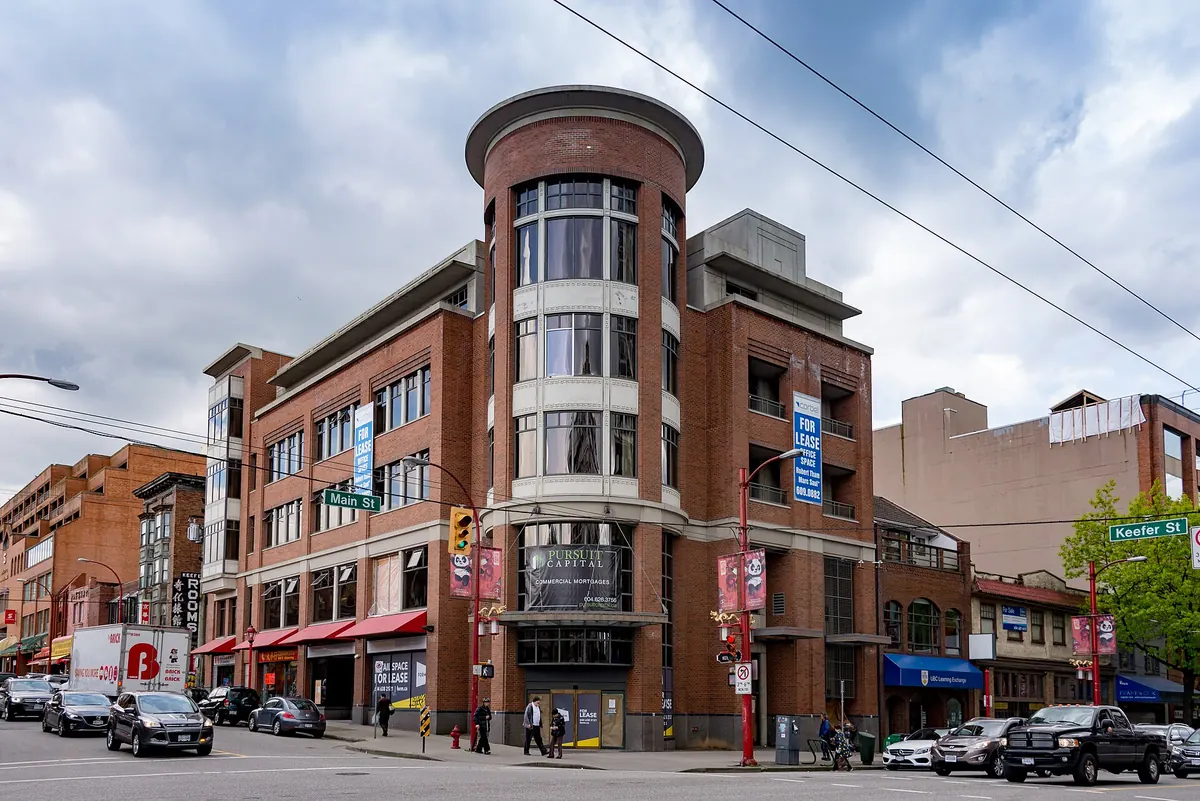
A mixed-use retail building usually has stores, cafés or services on the ground floor, with offices or apartments on the floors above. Most in Vancouver are two to four storeys on a main street.
- How the income works
Two kinds of tenants, two sets of rules
Retail tenants usually sign commercial leases, often net, so they pay their share of taxes, insurance and upkeep on top of rent. Apartments above are residential tenancies under the BC Residential Tenancy Act, with rules on rent increases and ending a tenancy.
- Zoning and ownership
C-2 type zones, whole building or strata
In Vancouver these buildings often sit in C-2 type commercial zones that allow shops below and homes above. Check the property on City of Vancouver zoning. You can buy the whole building, or a single strata unit with its own bylaws and fees.
- What I check
Tenants, leases, vacancies, condition
I look at the tenant mix, lease terms and expiry dates, any vacant units, the age of the roof, systems and storefronts, and the residential rents against the rules. That tells you how steady the income is and what it will cost to keep.
General information, not tax or legal advice. Rules and rates change, and every situation is different. Talk to your lawyer and accountant before you act on anything here.
What I look at
- The tenants. What they sell, how they’re doing and how long they’ve been there.
- The leases. Term, renewals, rent increases and who pays costs.
- The street. Foot traffic, parking, transit, neighbours and what’s changing nearby.
- Re-leasing. How easy it would be to fill a shop if a tenant left.
Mixed-use buildings
Every checklist applies at once: retail for the ground floor, office if there’s office above, and the residential rules for the suites. The apartments usually fall under BC’s Residential Tenancy Act, which limits rent increases and sets rules for ending tenancies, so build that into your numbers.
The commercial side carries more of the risk. Apartments usually re-let in weeks. A commercial unit can take months to lease, negotiate and build out before rent starts. The bigger the share of income from the ground floor, and the fewer commercial tenants there are, the more one move-out hurts.
- Several commercial tenants on longer leases spread the risk.
- One tenant with most of the ground floor is fine if their covenant is strong and the term is long.
- Budget for the downtime and improvement costs if a commercial unit goes vacant.
- Older two- to four-storey town-centre buildings have charm, but expect older elevators, one exit stair, fire alarm and sprinkler gaps, and accessibility upgrades once you pull a permit.
- Check which ground-floor uses the zoning and any local business association allow.
Costs to plan for
GST applies to the commercial part of most purchases. Property Transfer Tax applies to the whole price, and the further 2% over $3 million applies only to the residential portion.
Retail and mixed-use property in detail
What drives value
- Who the tenants are, how long their leases run, and how well they trade.
- Frontage, visibility, foot traffic and the strength of the street or centre.
- An anchor such as a grocery store or pharmacy that brings people back every week.
Typical lease structures
- Net leases with additional rent for common area costs, insurance and property tax.
- Some leases add percentage rent above a sales breakpoint.
- Exclusive use, co-tenancy, radius and relocation clauses all affect what the next lease can be.
Due diligence
- Every lease, amendment and side letter, plus estoppel certificates.
- Year-end recovery reconciliations for additional rent.
- Any exclusives registered on title, and permitted uses for each unit.
- For mixed-use, the residential tenancy agreements and rent history.
BC and Vancouver specifics
- Retail is assessed as Class 6, and the apartments in a mixed-use building as Class 1, so tax is split. See BC Assessment property classes.
- Residential suites are under the Residential Tenancy Act, so rent increases on existing tenants are limited to the yearly rent increase limit.
- Many Vancouver high streets are zoned C-2, with shops below and homes above. Check the Vancouver zoning map.
GST. The sale of commercial property is generally subject to GST. If the buyer is registered for GST, the buyer usually self-assesses instead of paying it to the seller. See the CRA guidance on real property and GST/HST and talk to your accountant.
Anchors and zoning
A neighbourhood centre lives or dies with its anchor, so check the anchor’s lease term and how it’s trading. Before you go further, check the permitted, conditional and prohibited uses for the site. A conditional use needs City approval, and a prohibited one is close to a dead end.
Single-tenant retail
A building leased to one retailer on a net lease is simple to own, but the income rests on that one tenant. Check how many years are left on the lease, who signed or guaranteed it, what the renewal options say, and what happens to the signage and fit-out if the tenant leaves. Price it on what the space would be worth empty as well as leased.
Questions people ask
How does PTT work on a mixed-use building?
The general rate applies to the whole fair market value. The further 2% on residential property over $3 million applies only to the residential portion.
Are retail buildings a good first investment?
Small ones with several tenants can be, because one vacancy doesn’t sink the income. Check the tenants closely.
What should I gather, ask and watch for?
Documents to gather
- Rent roll and every lease
- Two to three years of operating statements
- Sales reports from tenants, if leases require them
- Title search and any charges on title
Questions to ask
- What is the real NOI after vacancy and repairs?
- What major work is coming in the next five years?
- What does the zoning allow?
- Why is the owner selling?
Common mistakes
- Relying on the listing numbers
- Too short a condition period
- Skipping reports to save money
- Not budgeting for PTT and GST
Typical timeline
- Before offersFinancing pre-approval
- Condition periodTypically 30 to 60 days; longer for land and environmental work
- Completion30 to 90 days
- AfterTake over leases, insurance and management
Typical ranges. Your lease, lender and the City set the real dates.
Go deeper
If you’re looking for more details
Retail checklist
- Rent roll and every lease
- Tenant sales, where the lease reports them
- Residential tenancies above, if mixed-use
- Building condition and upgrades needed
- Planned projects and zoning changes nearby
Search
Not quite your situation? Search
Next step
Looking at a retail or mixed-use building?
Send me the listing. I can look at the tenants, the leases and the street.