

Selling
Selling a small, owner-operated business
When you do most of the work yourself, the buyer needs to see that the business will keep going without you. Most of the preparation is about showing that. Write down what you do each week, train someone, and make sure the lease has enough term left for a buyer.

Seller representation
What selling a small, owner-operated business involves
A plain explainer if you’re new to this.
- What it is
A business you run day to day
You’re the main person running it, with a few staff or none.
- How buyers value it
Seller’s discretionary earnings
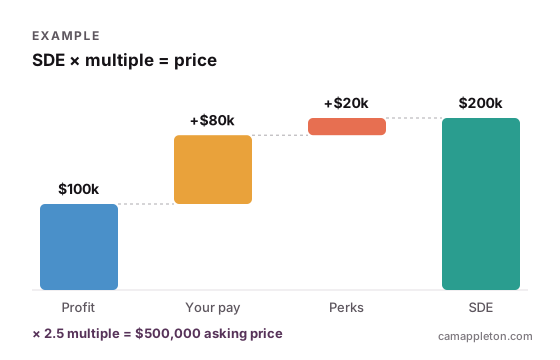
Buyers usually price it on SDE: profit plus your pay and perks. They’ll ask how much of it depends on you.
- The lease
Usually the deciding factor
Buyers need enough years left on the lease, and the landlord usually has to consent to an assignment.
- What I check
Lease, records and handover
I look at the lease, the records buyers will ask for, and how long you can stay to train the new owner.
Who buys these
Mostly individuals who want to own and run a business themselves, sometimes a competitor or a supplier. Many will need bank financing, so clean books and a lease that can be assigned matter a lot.
Get ready
- Books that are easy to read. Separate personal and business costs, and keep two or three years of tidy statements.
- Write down how things run. Suppliers, prices, routines and the jobs only you do today.
- Plan the handover. Most buyers will want you to stay on for a few weeks or months to introduce them to customers and suppliers.
- Check the lease. Enough term left, an assignment clause the landlord can live with, and a release of your personal guarantee if possible.
The lease matters a lot
For a shop, café or service business, the location is a big part of the value. If the lease has only a year or two left, a renewal or extension before the sale can make a real difference. More in your lease when you sell.
How I help
I help get the business and the lease ready, find and qualify buyers, and deal with the landlord on assignment. Where a sale is only shares and there’s no real estate, parts of it may sit outside real estate licensing. I’ll tell you up front, and work alongside your lawyer and accountant.
Questions people ask
How is a small business valued?
Often as a multiple of the profit the owner takes home, adjusted for the lease, equipment, stock and how much the business depends on you. Your accountant can help with the numbers.
Will a buyer need me to stay on?
Usually for a short time, so customers and suppliers get to know the new owner. Agree on how long, in writing.
Do I have to tell my staff?
Not until you decide to. Early talks can be confidential.
What should I gather, ask and watch for?
Documents to gather
- Three years of financial statements and tax returns
- The lease and every amendment, or title if you own
- What you do each week that a buyer would need to do
- Shareholder agreement and corporate records
Questions to ask
- Share sale or asset sale, and the tax on each? (ask your accountant)
- Will the landlord consent to assigning the lease?
- Do my shares qualify for the lifetime capital gains exemption?
- How long will I stay on after the sale?
Common mistakes
- Starting with too little term left on the lease
- Messy books that buyers can’t follow
- Telling staff or customers too early
- Leaving the tax planning until after a deal is signed
Typical timeline
- 1 to 3 years beforeClean up books, extend the lease, plan tax
- Months 1 to 3Prepare the package; confidential marketing
- Letter of intent to due diligenceOften 30 to 90 days
- ClosingLandlord consent, lawyers, transition
Typical ranges. Your lease, lender and the City set the real dates.
Go deeper
If you’re looking for more details
What buyers ask for, in order
- A short anonymous summary
- Financial statements, usually three years
- A confidentiality agreement before details
- A letter of intent
- Due diligence: books, contracts, staff, equipment, lease
- Final agreement and closing
Getting ready a year or two ahead
- Clean up the books
- Move key relationships onto the team
- Sort out the lease or property
- Fix the small problems buyers will find
- Talk to your accountant about the tax side, including whether the lifetime capital gains exemption could apply to a share sale
Search
Not quite your situation? Search
Next step
Thinking of selling your business?
The first call is confidential and costs nothing.